📐 Cabinet Door Overlay Guide

Full Overlay vs. Partial Overlay vs. Inset

The overlay is how your cabinet doors sit on (or in) the cabinet frame — and it changes the whole look of your kitchen. Here's the difference in plain English, with diagrams.

The three ways a door can meet the frame

Every framed cabinet has a face frame around its opening. The overlay describes how much of that frame your doors cover.

Most Popular

Full Overlay

Doors and drawer fronts cover nearly the entire face frame — only small, even reveals show between doors. The look is seamless and modern, and you get slightly easier access to the cabinet interior. This is the standard for most kitchens we build and reface today.

Traditional

Partial Overlay

Doors are sized smaller, leaving an inch or more of the frame visible around every door and drawer. Also called standard or traditional overlay, this was how most kitchens were built for decades — if your home is pre-2000s, you likely have partial overlay now.

Premium

Inset

Doors sit flush inside the frame openings, like fine furniture. Every door must be fitted precisely on all four sides, which takes more labor and material — inset carries a price premium and is quoted custom. The payoff is a timeless, craftsman-grade look.

Side by side

 Full OverlayPartial OverlayInset
Frame visibleMinimal — small reveals1″+ around each doorFully visible, doors flush inside
LookSeamless, modernTraditional, familiarFurniture-grade, timeless
Typical era2000s–todayPre-2000s kitchensHistoric & high-end custom
CostStandardStandardPremium — custom quote
Best forRefacing upgrades, modern & transitional kitchensMatching an existing traditional kitchenCustom cabinetry, period homes

The refacing upgrade: partial to full overlay

Here's the part most homeowners don't realize: if your kitchen has dated partial overlay cabinets, you don't need new cabinets to get the full overlay look.

When we reface a kitchen, we typically size the new made-to-order doors and drawer fronts as full overlay. Your existing cabinet boxes stay right where they are — but the visible frame disappears behind the new doors, and the kitchen instantly reads modern.

It's one of the biggest visual upgrades refacing delivers, and it comes standard with the process: typical refacing projects run $12,000–$22,000 depending on kitchen size.
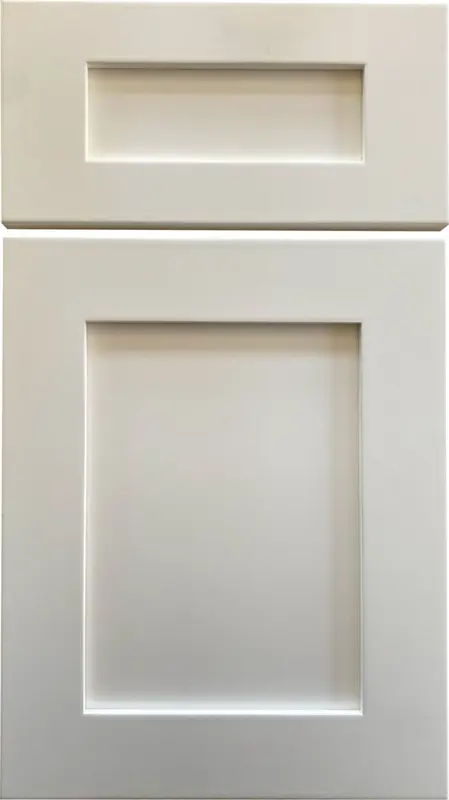
Full overlay shaker door and drawer front set for cabinet refacing

Overlay questions

A full overlay cabinet has doors and drawer fronts that cover nearly the entire cabinet face, leaving only a small sliver of the frame visible between doors. It gives kitchens a seamless, built-in look and slightly more interior access, and it's the standard for most modern kitchens.
The difference is how much of the cabinet face frame shows. Full overlay doors cover almost all of the frame; partial overlay (also called standard or traditional overlay) doors are smaller, leaving an inch or more of frame visible around each door. Partial overlay was the standard in most kitchens built before the 2000s.
Inset doors sit flush inside the cabinet face frame rather than resting on top of it, like a piece of fine furniture. Because the fit must be precise on all four sides, inset construction takes more labor and material and carries a price premium over overlay styles. We build inset kitchens by custom quote.
Yes — this is one of the most common upgrades in cabinet refacing. When we reface a partial overlay kitchen, we typically size the new doors and drawer fronts as full overlay, which instantly modernizes the look without replacing your cabinet boxes.
There's no single best — full overlay suits most modern and transitional kitchens, partial overlay preserves a traditional look, and inset delivers a premium furniture-grade feel. All three are available on any of our door styles, and we'll help you choose during a free consultation.

Keep exploring

Not sure which overlay fits your kitchen?

Free consultation — we'll show you all three on real door samples.