Panel style vs. edge profile — what's the difference?
When people say "cabinet door style," they're usually describing the panel style — shaker, raised panel, slab, glass, beadboard, and so on. Our complete guide to cabinet door types covers those. The edge profile is a separate, more subtle choice: it's the shape milled into the inside edge of the door's frame, right where the stiles and rails meet the center panel — and sometimes the outside edge of the frame as well.
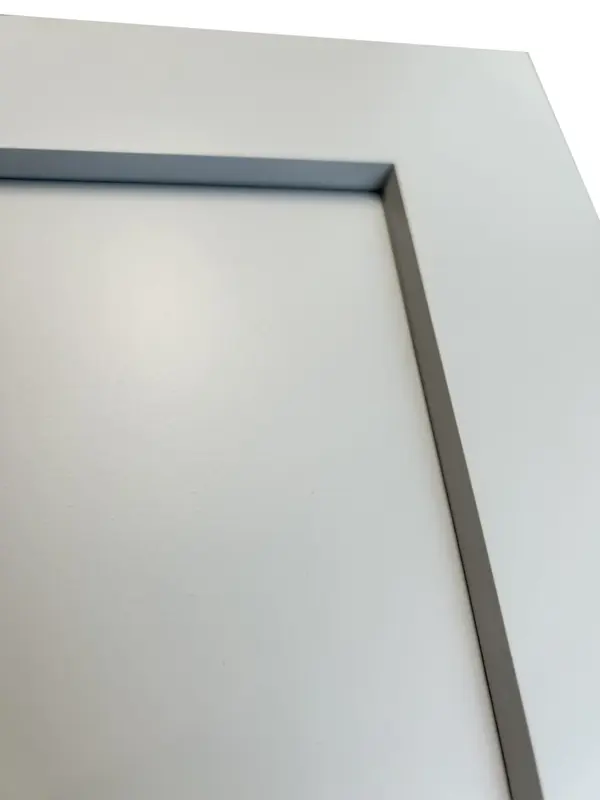
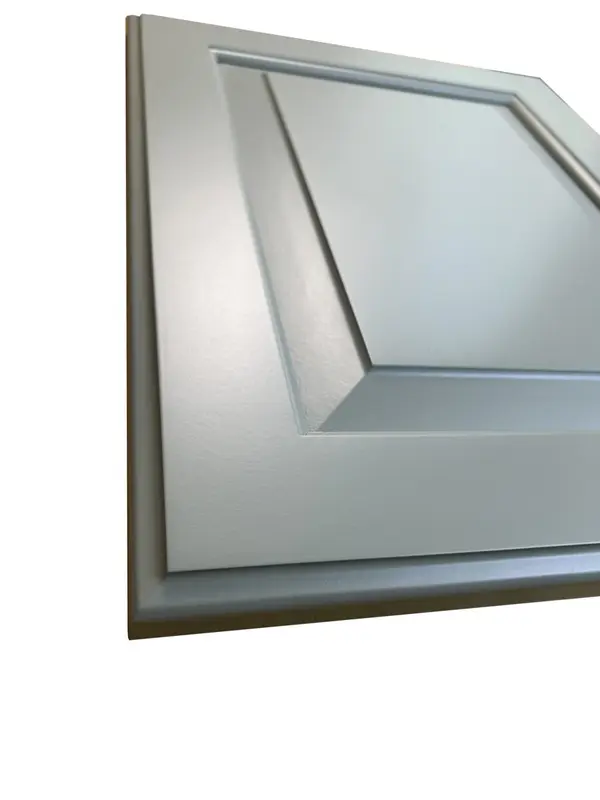
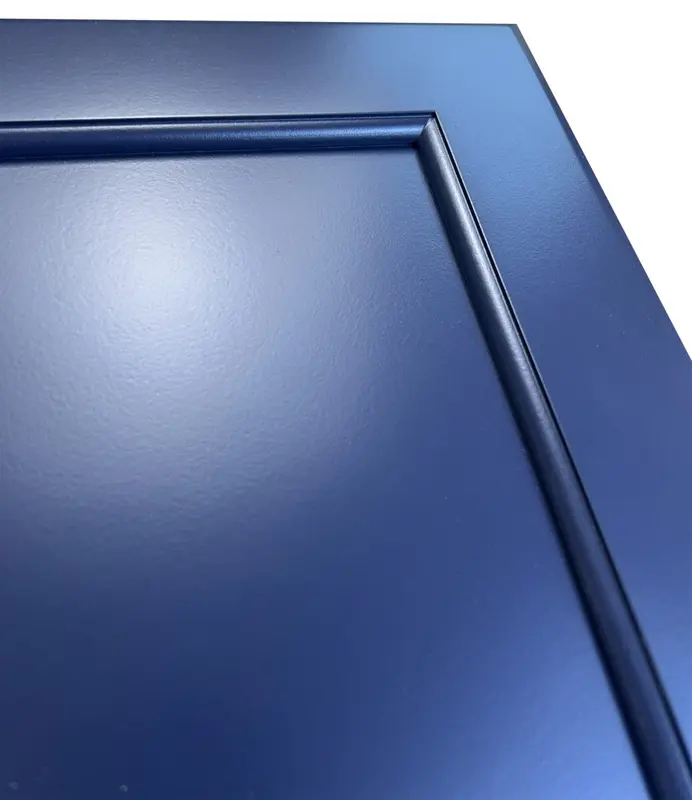
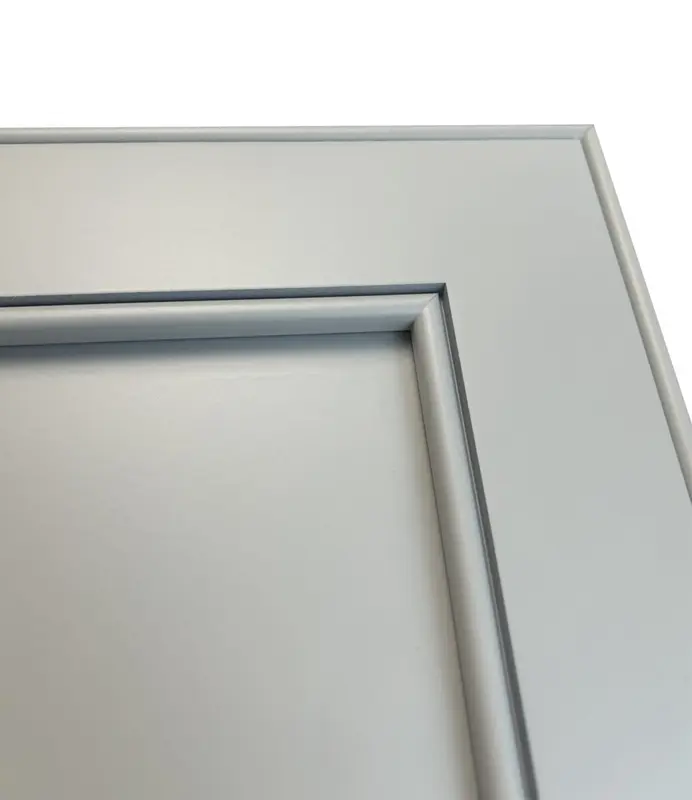
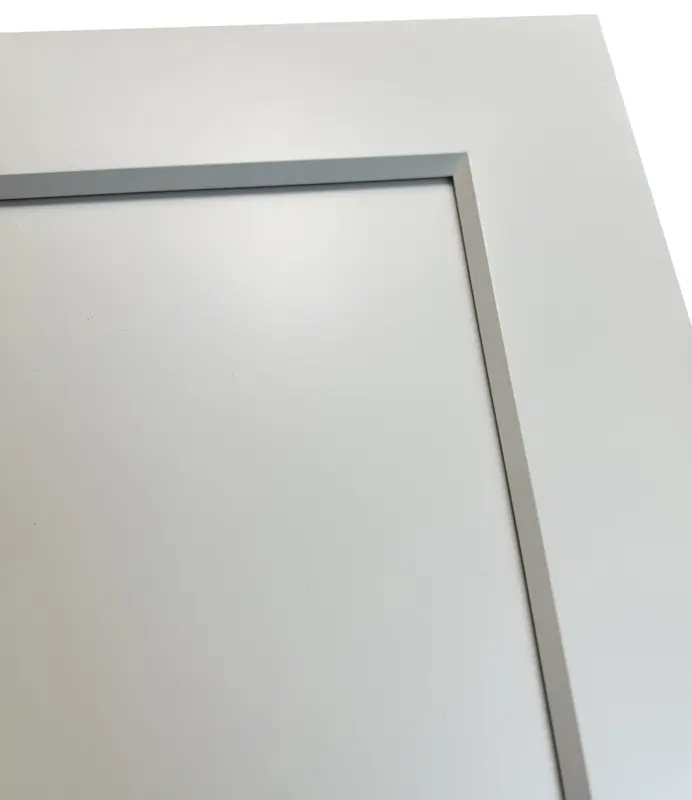
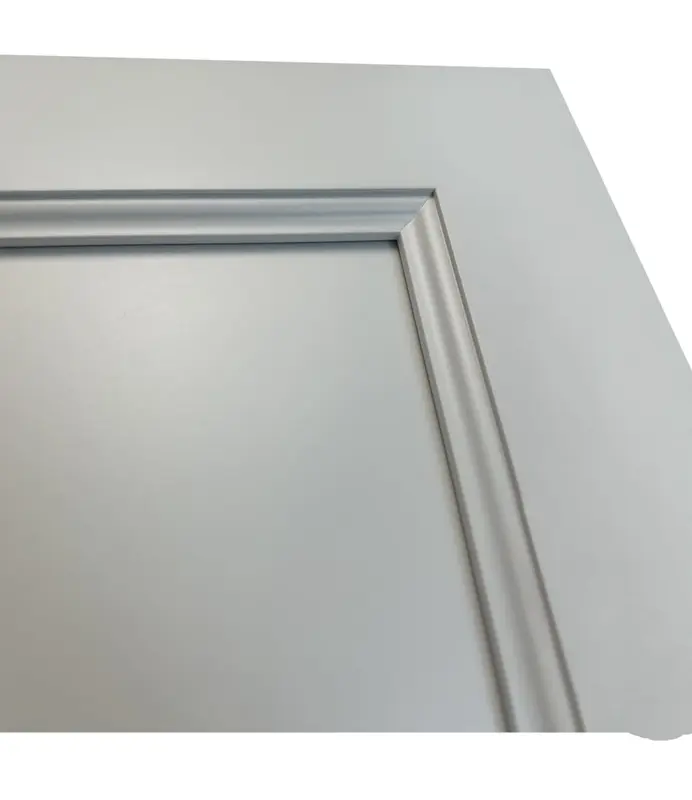
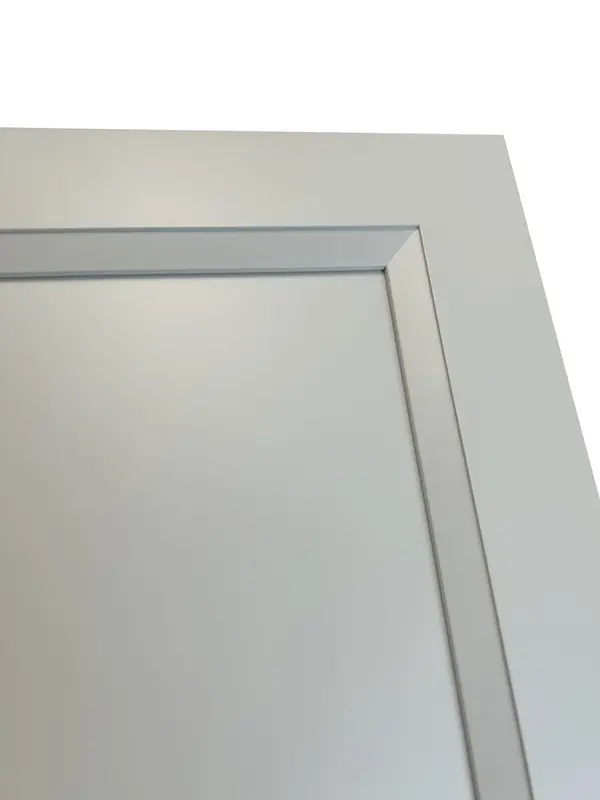
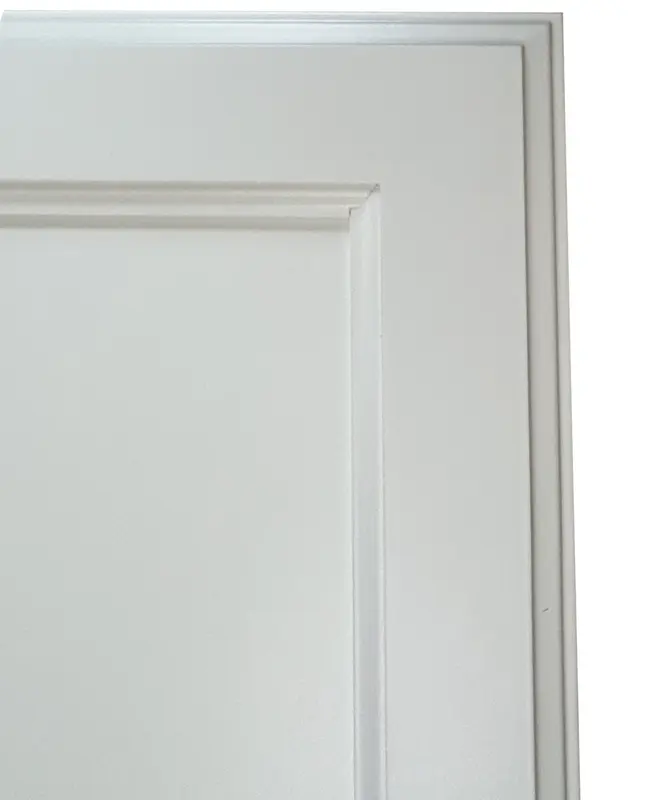
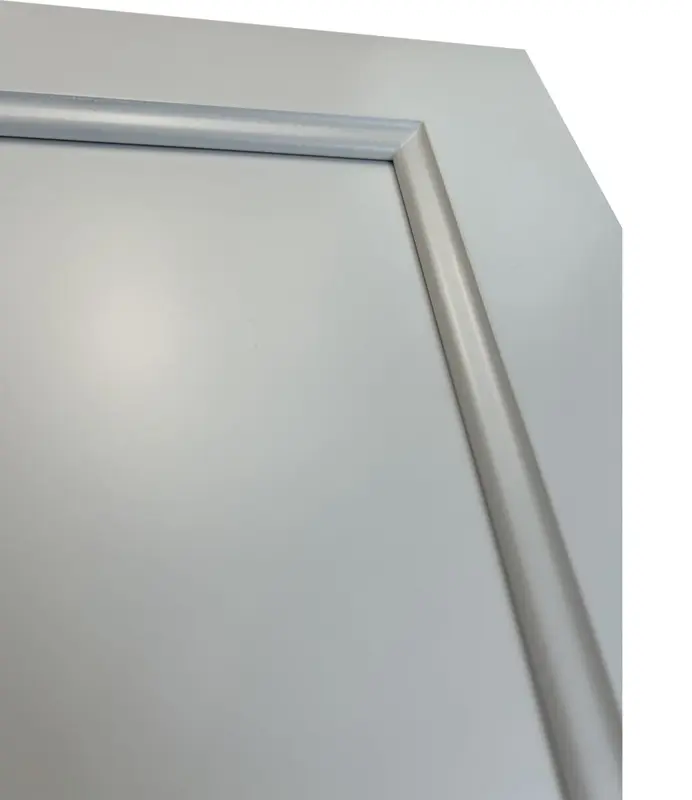
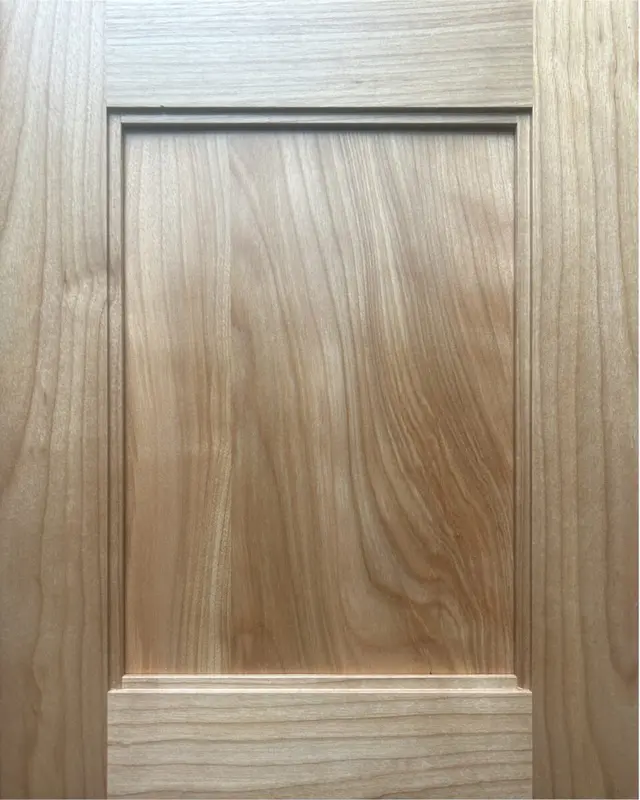
Two doors can be the same overall panel style and still look noticeably different depending on which edge profile is used. A flat, square profile (shaker) reads clean and modern. A beveled profile (raised panel) reads traditional. And in between those two extremes sit a range of named profiles — cope & stick, beaded, chamfered, contoured, and several proprietary shapes — each catching light and shadow a little differently.
Made to order. Every door is made to order for your kitchen — we don't keep a fixed inventory of profiles, so pairing an edge profile with any wood species, paint color, or stain is a normal part of the ordering process.
Every edge profile, side by side
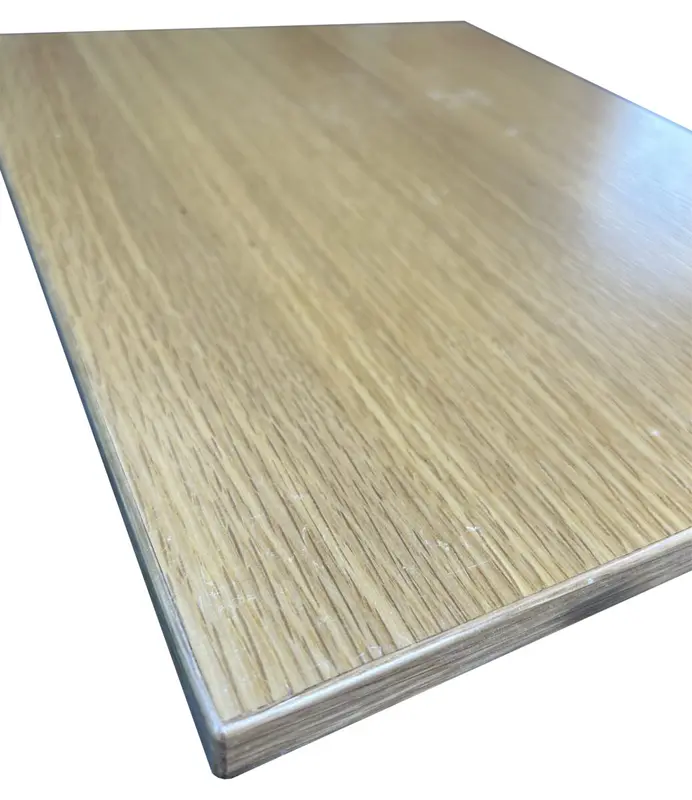
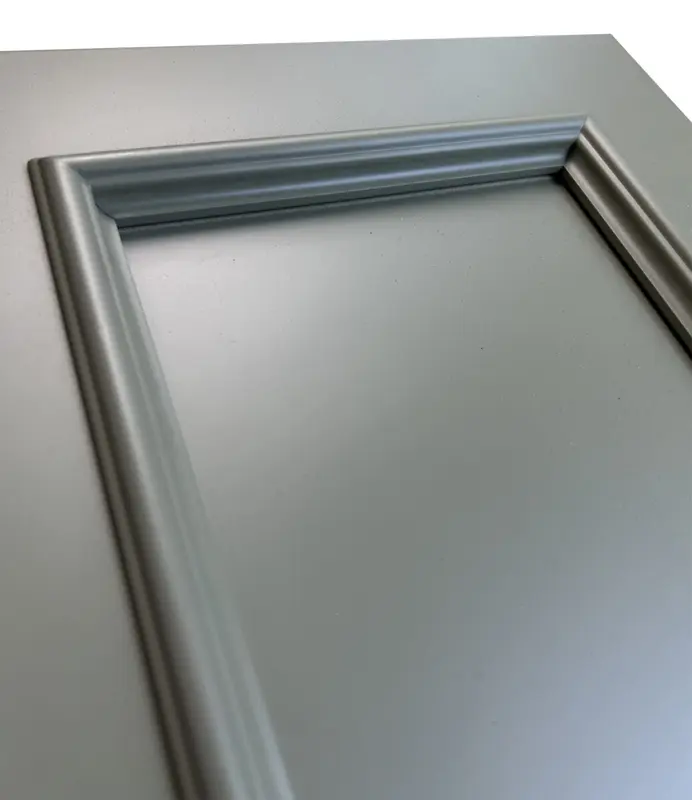
Below are the edge profiles we work with most, shown close up so you can see exactly how the frame is shaped in each one. A few — shaker, raised panel, slab, and applied moulding — have their own full style guides linked underneath; the rest are additional profile options available on custom orders.
How to choose the right profile
- Modern or minimal kitchens tend to look best with flat, simple profiles — shaker or slab — where shadow lines stay to a minimum.
- Traditional or colonial kitchens usually call for more dimension — raised panel, cope & stick, beaded frame, or applied moulding all add detail that pairs well with crown moulding and furniture-style accents.
- Transitional kitchens — a blend of modern and traditional — often land somewhere in the middle, like chamfered or contour, which add a little shadow without going fully ornate.
- Cleaning and upkeep generally get easier as the profile gets flatter. Fewer grooves and corners mean faster wipe-downs day to day.
One profile, whole kitchen — or mix it up. Most homeowners choose one consistent profile for the full kitchen perimeter, then reserve a second profile or panel style, like glass or beadboard, for an accent area such as a kitchen island. See our full door style guide for how panel styles and profiles work together.
Frequently asked questions
What is a cabinet door edge profile?
An edge profile is the shape milled into the inside edge of a cabinet door's frame, where the stiles and rails meet the center panel. It can be flat and square (like shaker), beveled (like raised panel), or shaped into a more detailed cut such as coped, beaded, chamfered, or contoured. The edge profile is a separate choice from the panel style itself.
What's the difference between a panel style and an edge profile?
Panel style refers to the overall door design — shaker, raised panel, slab, glass, beadboard, and so on. Edge profile refers specifically to how the inside (and sometimes outside) edge of the frame is shaped where it meets the panel. Two doors can share the same panel style but look noticeably different depending on which edge profile is used.
Which edge profile is easiest to keep clean?
Flatter, simpler profiles like shaker or slab have the fewest grooves and shadow lines, so they wipe down the fastest. More detailed profiles like cope & stick, beaded frame, or contour add visual depth but also more surface area and corners, which take slightly more effort to clean thoroughly.
Can I mix edge profiles in the same kitchen?
It's possible, but most kitchens use one consistent profile throughout the perimeter for a cohesive look, then reserve a second profile or panel style for an accent area like a kitchen island. Mixing more than two profiles in the same space usually reads as busy rather than intentional.
Do edge profiles affect the price of new cabinet doors?
The profile itself is rarely the biggest cost driver — wood species, paint vs. stain finish, door size and quantity, and full overlay vs. inset mounting typically matter more. Cabinet refacing with new doors in any of these profiles typically runs $12,000–$22,000 depending on kitchen size and finish.
Which edge profile is most popular right now?
Shaker's flat, square profile remains the most requested option nationally because it fits almost any kitchen style. Raised panel and cope & stick profiles remain popular in traditional and colonial kitchens where more dimension and detail are wanted.