The short answer
There isn't one best cabinet door style — there's the best style for the kitchen you have. The easiest way to narrow it down is to start with the overall look of the room and work backward to the door. As a quick guide: farmhouse kitchens lean toward shaker and beadboard, modern kitchens toward slab and skinny shaker, traditional kitchens toward raised panel and applied moulding, and transitional kitchens toward classic shaker, often mixed with a second style.
The sections below walk through each, with real examples, and then cover the details that matter in every style: how the door sits on the cabinet, glass and reeded accents, drawer fronts, and finish. If you'd rather see it than read about it, you can also try doors and colors on a photo of your own kitchen with our Kitchen Visualizer.
| Kitchen style | Door styles that fit | Details that help |
|---|---|---|
| Farmhouse | Shaker, beadboard | Inset mounting, glass-front uppers |
| Modern | Slab, skinny shaker | Full overlay, reeded accent |
| Traditional | Raised panel, applied moulding | Stain or glaze, glass uppers |
| Transitional | Classic shaker, skinny shaker | Mixed styles (shaker uppers, slab lowers) |
Farmhouse kitchens: shaker and beadboard
Farmhouse is about warmth and a handmade feel without a lot of ornament, which is exactly what a plain shaker door delivers. A flat center panel in a square-edged frame (about 2 1/4 inches wide on the classic version) reads as simple and honest, and it looks at home in white, cream, soft green, or a natural wood tone. Beadboard adds the vertical-groove cottage detail, and it's especially effective on an island back panel or a few feature doors rather than every door in the room.
Two details push a shaker kitchen further toward farmhouse. Inset doors, which sit flush inside the cabinet frame, give a furniture-like look, and glass-front uppers (single pane or with mullions) lighten a wall of cabinets and show off dishes.
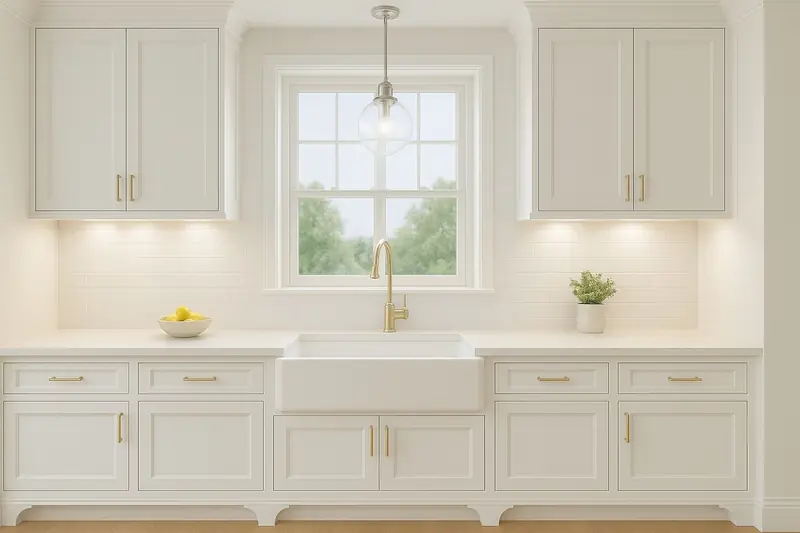
A painted shaker door with a farm sink is the textbook farmhouse combination, and an installed example of how little the door itself needs to do.
Shaker door guide →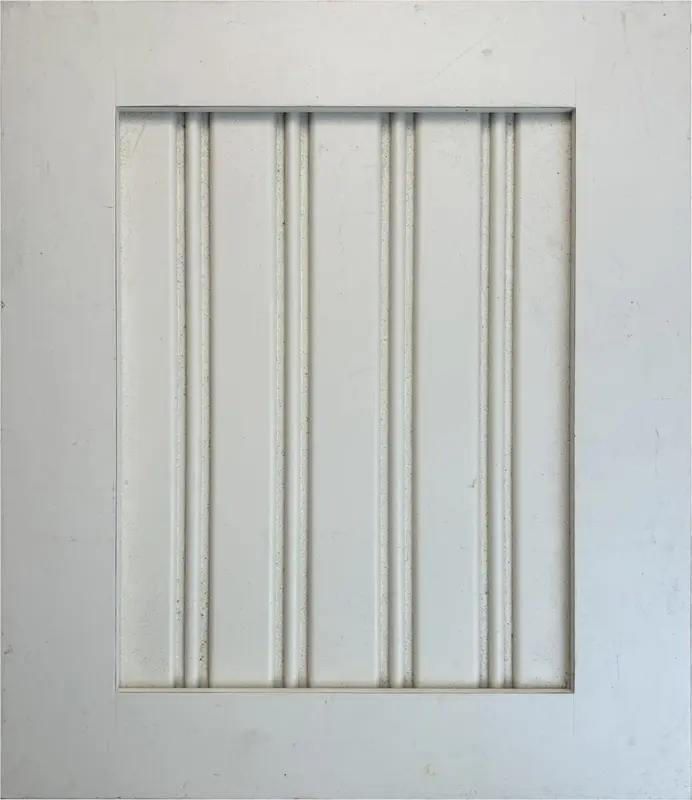
Vertical grooves add cottage character. Use it for an island panel or accent doors if a full kitchen of beadboard feels like too much.
Beadboard door guide →Modern kitchens: slab and skinny shaker
Modern kitchens strip the door down to its simplest form. A slab door is one flat piece with no frame, and it gives the cleanest, quietest look, especially in a solid color or a straight-grain wood. If a completely flat door feels too stark, skinny shaker keeps a frame but narrows it to about 1 inch, so the door still has a little definition while reading as minimal and contemporary.
For a modern accent, a run of reeded or fluted doors on an island or a tall cabinet adds texture without adding clutter. Full overlay mounting, where the doors cover nearly the whole cabinet front and leave only small, even gaps, supports the modern look; our overlay guide explains the difference between full, partial and inset.
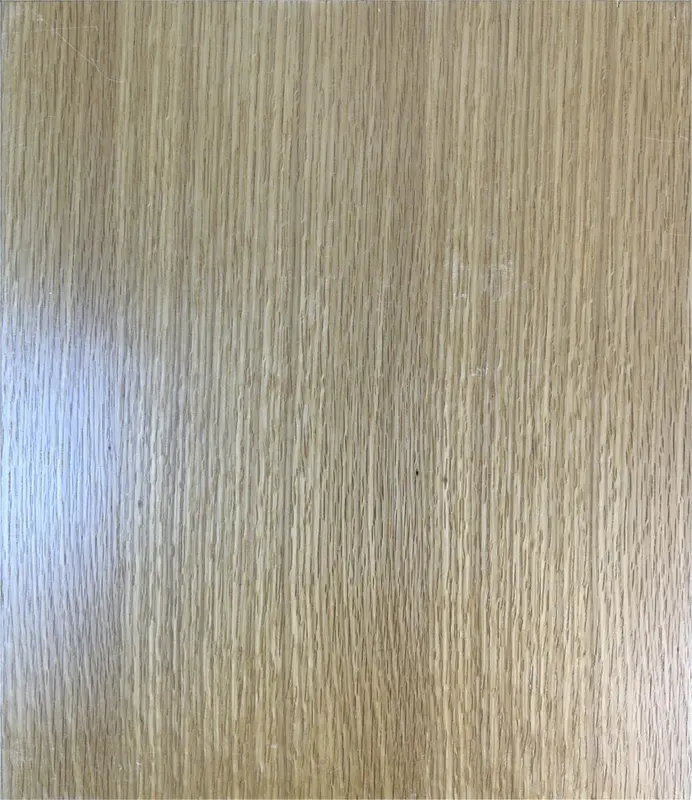
No frame, no panel: one flat surface. The best canvas for a bold paint color or a strong wood grain.
Slab door guide →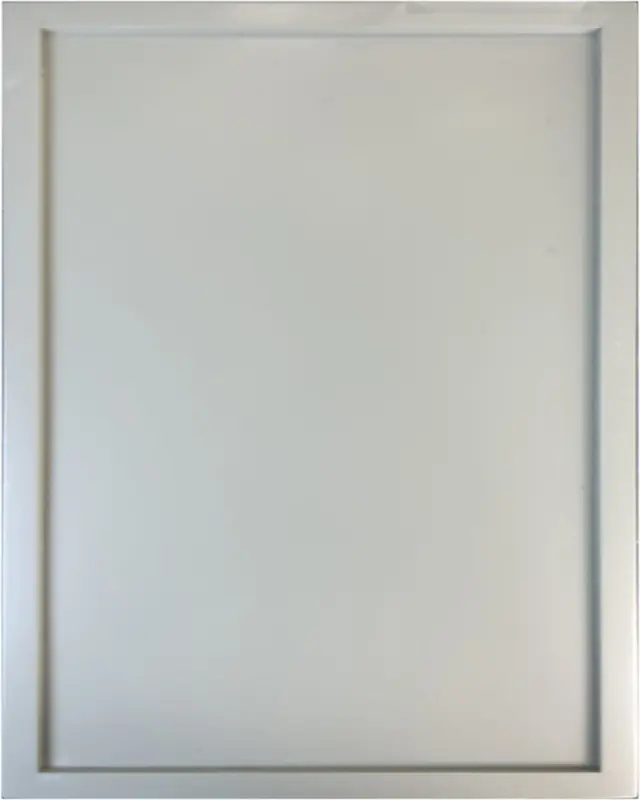
A shaker with a frame of about 1 inch instead of 2 1/4 inches, a lighter, more contemporary take on a familiar shape.
Shaker and skinny shaker guide →Traditional kitchens: raised panel and applied moulding
Traditional kitchens are about detail and depth. A raised panel door has a center panel that steps up toward the middle, casting shadow lines that give the door visible dimension, and applied moulding adds trim on the door face for a more formal, furniture-like look. These styles shine in stained wood (cherry, maple, oak) and in glazed finishes that pick out the profile.
If you have oak cabinets and like a traditional feel, the grain isn't necessarily something to hide. Visible oak grain can look perfectly right in a traditional kitchen, and it can be accented with glazing for a country look. Edge profiles matter more in this style too, so it's worth a look at our edge profile guide before you choose.
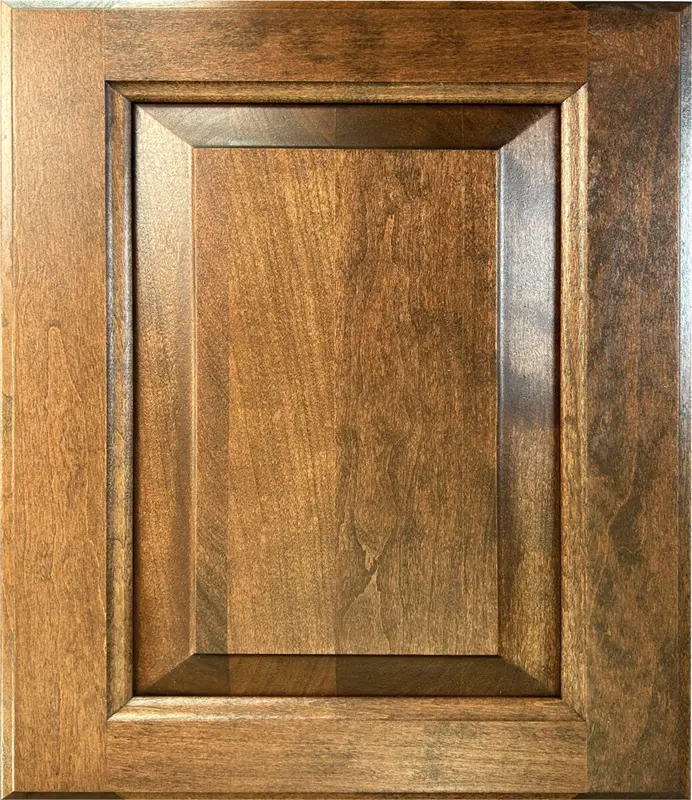
The classic traditional door. Stepped panel, shadow lines, and a lot of character in a stained finish.
Raised panel guide →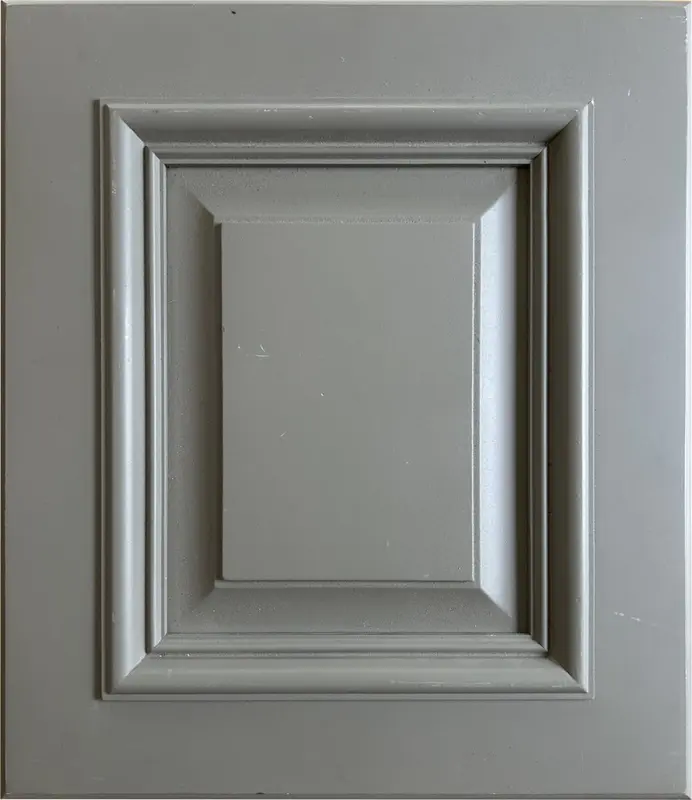
Trim applied to the door face for a more formal look than a plain raised panel.
Applied moulding guide →Transitional kitchens: classic shaker and smart mixing
Transitional is the most popular middle ground: simple lines with a bit of warmth, neither fully modern nor fully traditional. Classic shaker is the natural fit, and it's also the easiest style to build on. Door styles can be mixed, so you might use shaker uppers with slab lowers, put a different style on the island, or add a few glass-front or reeded accent doors.
The rule that keeps a mix looking intentional is to hold one thing constant, usually the color or the wood tone, and vary only the door style. Matching drawer fronts to the doors, or choosing 5-piece or slab drawer fronts deliberately, finishes the look.
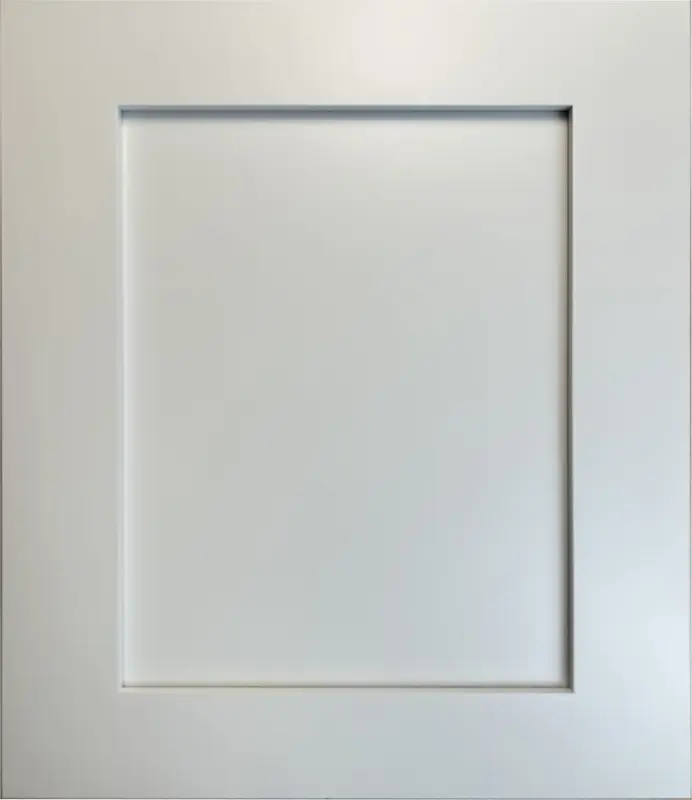
The all-rounder: a flat panel in a 2 1/4 inch frame, equally at home painted or stained.
Shaker door guide →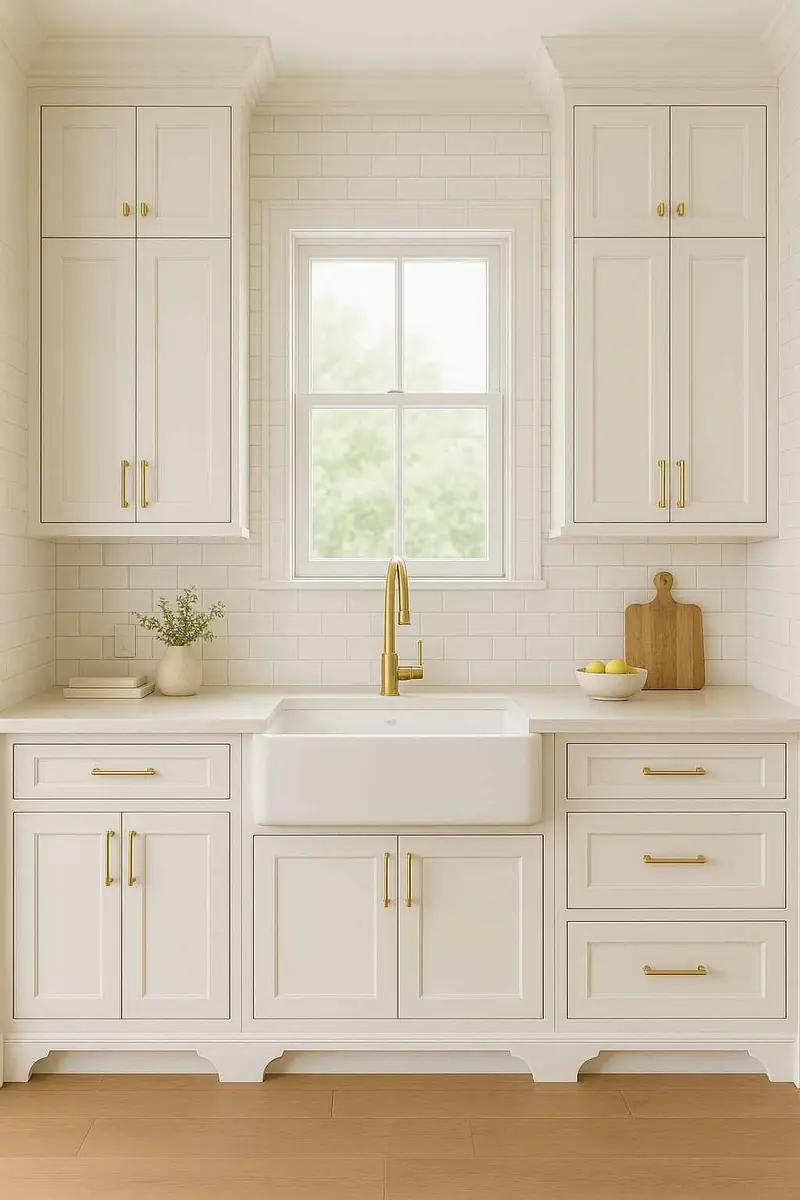
Inset isn't a door style but a way of mounting one: the door sits inside the frame for a built-in, furniture-like look.
Inset door guide →Details that matter in every style
Still comparing? Our guide to cabinet door types, shaker vs. raised panel and shaker vs. flat panel comparisons go deeper on the most common decisions, and how to measure cabinet doors helps if you're planning replacements.
How to choose when you can't decide
Three questions settle most decisions. What does the architecture of the house suggest, such as an older home with trim and character versus a newer open plan? How much cleaning detail are you comfortable with, since profiled and moulded doors collect more dust than flat ones? And will you stain or paint, since grain shows best on simple styles and profile shows best under paint or glaze? If you're stuck between two styles, bring both to the consultation, because Raymond brings real door samples to your kitchen so you can see them in your own light.
Want a second opinion on your kitchen? Raymond will look at your existing cabinets, talk through which door styles suit the room, and tell you honestly whether new doors, refacing, or painting makes the most sense. Request a free consultation or call (413) 450-0028. Explore replacement cabinet doors or cabinet refacing, or browse every style on the door styles page.
Frequently asked questions
What is the best cabinet door style overall?
There isn't one best style, but shaker is the safest all-rounder. Its flat center panel and plain frame work in farmhouse, transitional, and many modern kitchens, and it takes paint or stain equally well. The classic shaker frame is about 2 1/4 inches wide, and a narrower skinny shaker (about 1 inch) leans more modern. Which style is best for you depends on your kitchen's architecture, the finish you want, and how much detail you're comfortable cleaning.
What cabinet door style is best for a farmhouse kitchen?
Shaker is the classic farmhouse choice, and beadboard is the other one to consider, especially on an island back panel or as a door style. Inset mounting and glass-front uppers add to the farmhouse look. Painted finishes in white, cream, or a soft color are common, and natural wood or a glazed finish suits a more rustic version.
What cabinet door style is best for a modern kitchen?
Slab (flat panel) doors give the cleanest, most minimal modern look, and skinny shaker is a softer step toward modern that still has a bit of definition. Reeded or fluted doors are a popular modern accent for an island or a run of uppers. Full overlay mounting, with small, even gaps between doors, reinforces the modern look.
What cabinet door style is best for a traditional kitchen?
Raised panel is the traditional standard, and applied moulding takes it a step more formal. Traditional kitchens also tend to suit richer stained finishes or glazing, and visible wood grain, such as on oak, can be a feature rather than a drawback in this style.
What is a transitional kitchen, and which door style fits?
Transitional is the middle ground between traditional and modern: simple lines with a little warmth. Shaker, either the classic 2 1/4 inch frame or skinny shaker, is the natural fit. Mixing styles is also common, for example shaker uppers with slab lowers, or shaker doors with a few glass-front or reeded accents.
Can I mix different door styles in the same kitchen?
Yes. Styles can be mixed, for example shaker uppers with slab lowers, or a different style on the island. The trick is to keep one element consistent, usually the color or the wood tone, so the mix looks intentional rather than random.
Can I change my door style without replacing all my cabinets?
Yes, if your cabinet boxes are in good shape. Replacement doors and drawer fronts, or cabinet refacing, give you a new door style on your existing cabinets. Refacing typically converts partial overlay doors to full overlay, which changes the look of the kitchen as well. Countertops and plumbing stay where they are.
Are Homestead's cabinet doors built in-house?
No. Doors are made to order by outside suppliers. Raymond helps you choose the style, material, and finish, and handles the measuring, the finishing, and the installation.