The short answer
Cabinet doors are usually described by their panel style — the shape and detail of the center of the door. The nine most common styles are shaker, raised panel, slab (flat panel), applied moulding, beadboard, reeded (fluted), and glass panel doors, plus two variations worth knowing: skinny shaker and 5-piece drawer fronts. Every one of these can be built in the wood species, paint color, or stain of your choice, and every one can be mounted as full overlay, partial overlay, or inset.
Jump to any style below, or keep reading for the full breakdown:
The 7 main door panel styles
All of these except slab are built as 5-piece doors — two vertical stiles, two horizontal rails, and a center panel that floats inside the frame. What changes from style to style is how that center panel (and sometimes the frame itself) is shaped.
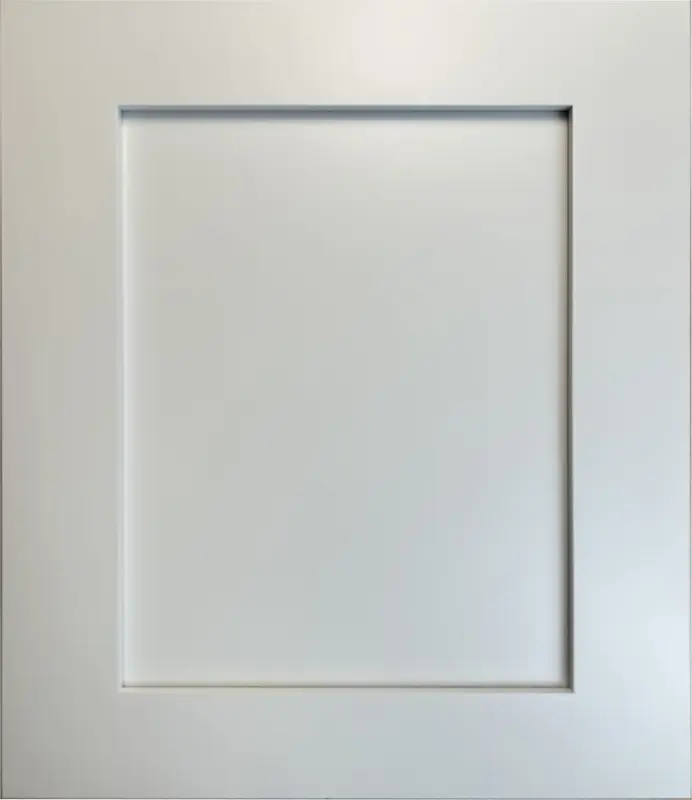
A flat center panel set inside a plain, recessed frame — no carving, no moulding. The classic frame is about 2 1/4 inches wide; a narrower ~1-inch version called skinny shaker is popular for a more modern, minimal look. Shaker is the most requested door style in the U.S. because it works in almost any kitchen, from farmhouse to contemporary.
Full shaker door guide →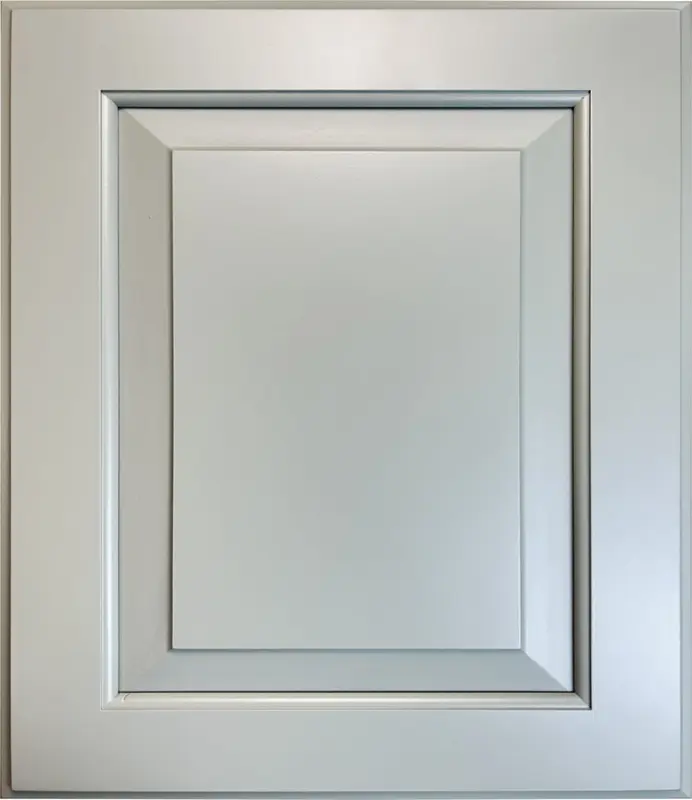
The center panel is milled with a beveled edge so it appears to stand up, or be "raised," above the surrounding frame. This is the traditional, formal cabinet door — common in colonial and classic kitchen designs, and often paired with a matching or contrasting frame profile.
Full raised panel guide →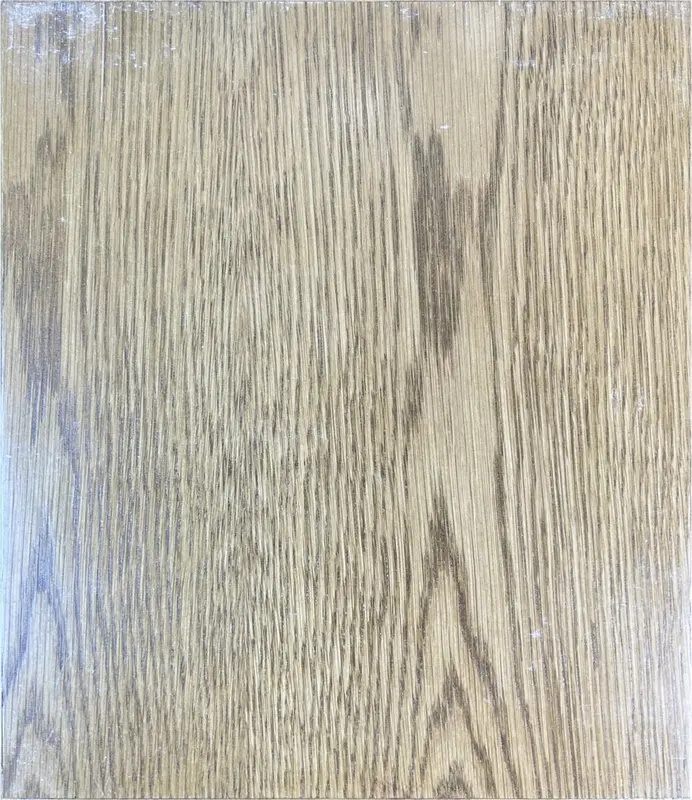
A true slab door is one single, flat piece with no frame at all — the cleanest, most minimal look available, and the standard choice for modern and contemporary kitchens. "Flat panel" is a closely related term, sometimes used for a 5-piece door with a plain, unprofiled center panel rather than a true one-piece slab.
Full slab door guide →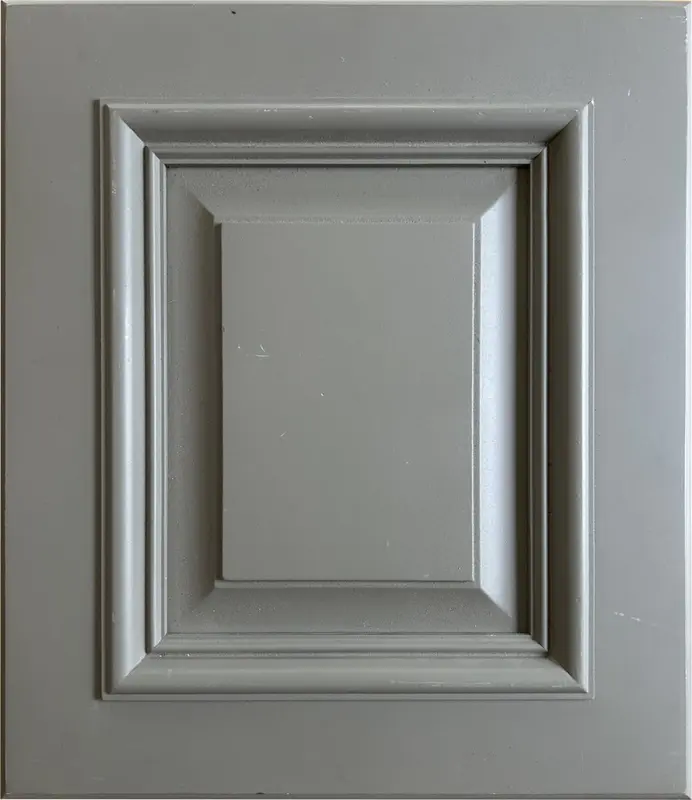
Decorative wood trim applied on top of a flat or raised panel base, rather than carved directly into the panel. This adds an extra layer of detail and dimension for a formal, furniture-grade look — a step up in ornamentation from a standard raised panel door.
Full applied moulding guide →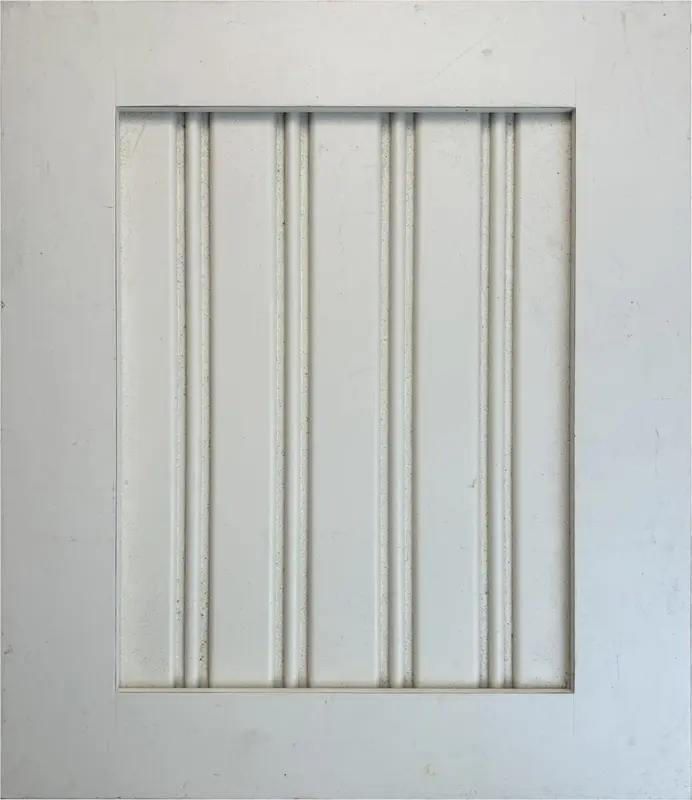
The center panel is milled with a series of narrow, evenly spaced vertical grooves — the classic cottage and farmhouse texture. Often used on an island or a hutch as an accent rather than across a whole kitchen, though it works as a full door style too.
Full beadboard guide →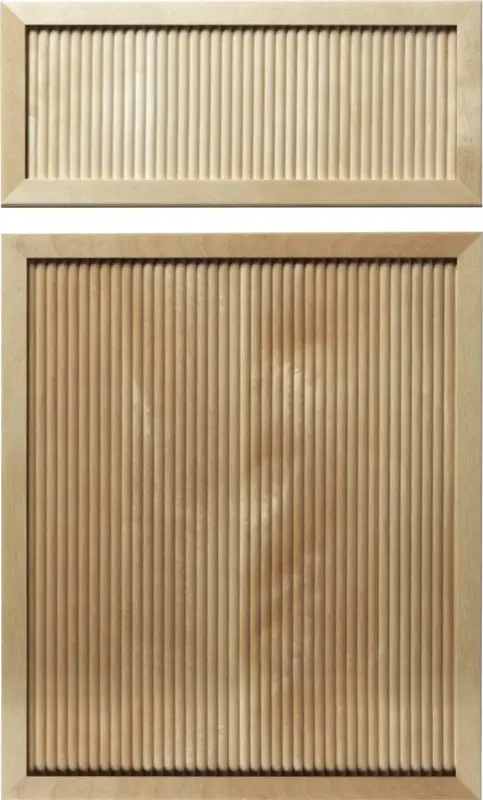
Vertical ridges milled into the panel — technically "reeded" describes convex, rounded-over ridges and "fluted" describes concave, carved-in grooves, though the two terms are often used interchangeably in cabinetry. Either way, it's a current, textural look that reads as more modern than beadboard.
Full reeded & fluted guide →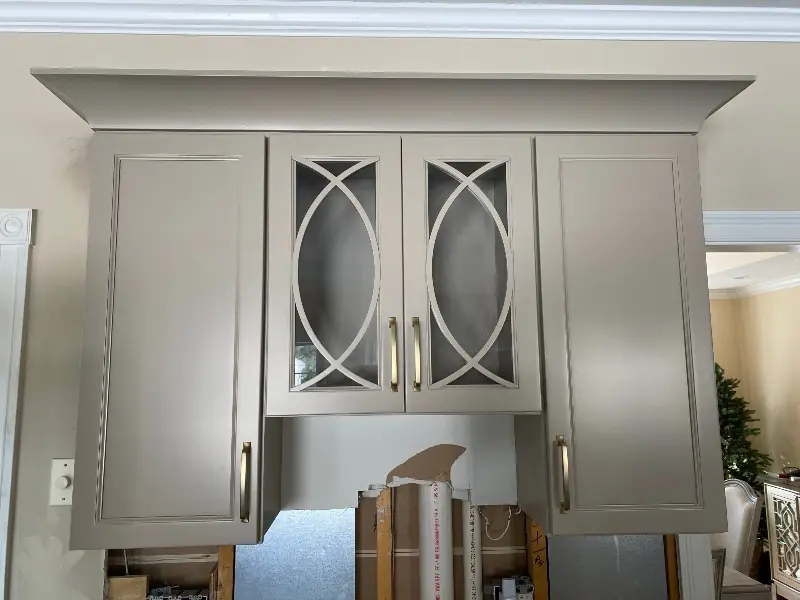
A frame door where the center panel is replaced with glass instead of wood — available as a single clear or seeded pane, or divided into smaller panes with wood mullions for a more traditional look. Most often used on a handful of upper doors to break up a wall of solid cabinetry and show off dishware.
Full glass door guide →Mounting style is a separate decision
Every one of the seven panel styles above can be built as full overlay, partial overlay, or inset — that's a different choice from the panel style itself, and it's about how the door sits on the cabinet box rather than what the door looks like up close.
- Full overlay doors cover nearly the entire cabinet face with only thin reveals between doors, for a clean, modern wall-of-cabinetry look. This is the standard for most new cabinets and for cabinet refacing projects today.
- Partial overlay doors cover less of the frame, leaving more of the cabinet face frame visible between doors — common on older cabinets built before full overlay became standard.
- Inset doors sit flush inside the frame opening rather than on top of it, for a custom, built-in cabinetmaker's look. Inset is available at a price premium over overlay, and typically involves a custom quote.
If you're refacing existing cabinets, this matters: most refacing projects convert older partial overlay boxes to full overlay doors as part of the upgrade. See our full cabinet door overlay guide for photos and a side-by-side comparison of all three mounting styles.
Drawer fronts: 5-piece or slab?
Drawer fronts get their own decision, separate from the door style above them. A 5-piece drawer front matches the framed construction of a shaker, raised panel, or similar door — a small panel set inside a mini frame. A slab drawer front is a single flat piece, which is standard on slab kitchens and increasingly common as a modern pairing even with framed shaker doors above. See our drawer front guide for how each looks and when to mix styles.
How the styles compare
| Style | Construction | Best for |
|---|---|---|
| Shaker | 5-piece, flat panel | Almost any kitchen — the safest, most versatile choice |
| Raised Panel | 5-piece, profiled panel | Traditional and colonial-style kitchens |
| Slab / Flat Panel | One-piece slab, or 5-piece flat | Modern and contemporary kitchens |
| Applied Moulding | 5-piece + applied trim | Formal, furniture-grade traditional kitchens |
| Beadboard | 5-piece, grooved panel | Cottage and farmhouse kitchens, island accents |
| Reeded / Fluted | 5-piece, ridged panel | Modern-traditional blend, island accents |
| Glass Panel | 5-piece, glass insert | Display uppers, hutches, breaking up solid runs |
Doors are made to order, not stocked. Every door style above is built to your exact cabinet openings by the door supplier we work with — nothing is pulled off a shelf. That means wood species, paint color, stain, and mounting style are all customizable regardless of which panel style you choose.
Is your kitchen a good fit for a new door style?
If you're considering new doors as part of a cabinet refacing project rather than a full teardown, here's what to think through first:
Not sure which style fits your kitchen? Raymond can walk you through real door samples and give an honest read on what works with your layout, wood species, and budget. Cabinet refacing with new doors typically runs $12,000–$22,000 depending on kitchen size and door style. Request a free consultation or call (413) 450-0028.
Frequently asked questions
What is the most popular cabinet door style?
Shaker is by far the most popular cabinet door style in the U.S. — a flat center panel inside a simple recessed frame, traditionally about 2 1/4 inches wide. It works in almost any kitchen, from farmhouse to modern, which is why it's the default choice for most cabinet refacing and remodel projects.
What's the difference between shaker and raised panel doors?
A shaker door has a flat center panel set inside a plain recessed frame — clean, simple lines. A raised panel door has a center panel that's beveled or profiled so it appears to stand up, or be raised, above the surrounding frame. Raised panel reads as more traditional and detailed; shaker reads as simpler and more transitional or modern. See our full shaker vs. raised panel comparison for a side-by-side breakdown, or our edge profile guide for the full range of frame profiles beyond these two.
What are 5-piece cabinet doors?
A 5-piece door is built from five separate pieces of wood or MDF: two vertical stiles, two horizontal rails, and one center panel that floats inside the frame. Shaker, raised panel, beadboard, reeded, and applied moulding doors are all 5-piece constructions. This is different from a slab door, which is a single flat piece with no frame.
Is a slab door the same as a flat panel door?
They're closely related but not identical. A true slab door is a single, one-piece flat surface with no frame at all. A flat panel door is technically a 5-piece door — like shaker — but with a plain, unprofiled flat center panel instead of a raised or beaded one. Both give a smooth, minimal look, which is why the terms often get used interchangeably in casual conversation. See our shaker vs. flat panel comparison for a full side-by-side breakdown.
What's the difference between inset and overlay cabinet doors?
Overlay and inset describe how a door sits on the cabinet box, not the door's panel style — any door style above can be built either way. Overlay doors sit on top of the cabinet frame, covering most or all of it. Inset doors sit flush inside the frame opening for a more custom, built-in look. Inset is available at a price premium over standard overlay. See our overlay guide for photos of each.
Can any cabinet door style be painted or stained?
Most styles can be finished either way, with a few caveats. Slab and flat panel doors show the least amount of visual noise when painted, since there's no profile to catch shadow lines. Raised panel, applied moulding, reeded, and beadboard doors all show off more detail and dimension under stain or a contrasting paint color, since the profile creates natural shadow lines. Glass doors are typically painted or stained on the wood frame around the glass.
Which door style is best for a modern kitchen? Which is best for a traditional one?
For modern and contemporary kitchens, slab and flat panel doors are the most common choice, with skinny shaker as a close second for a bit more texture. For traditional and classic kitchens, raised panel and applied moulding doors are the standard, often paired with a beadboard or glass-front accent on an island or hutch.